Tell us about the job
Takes about a minute. No obligation.
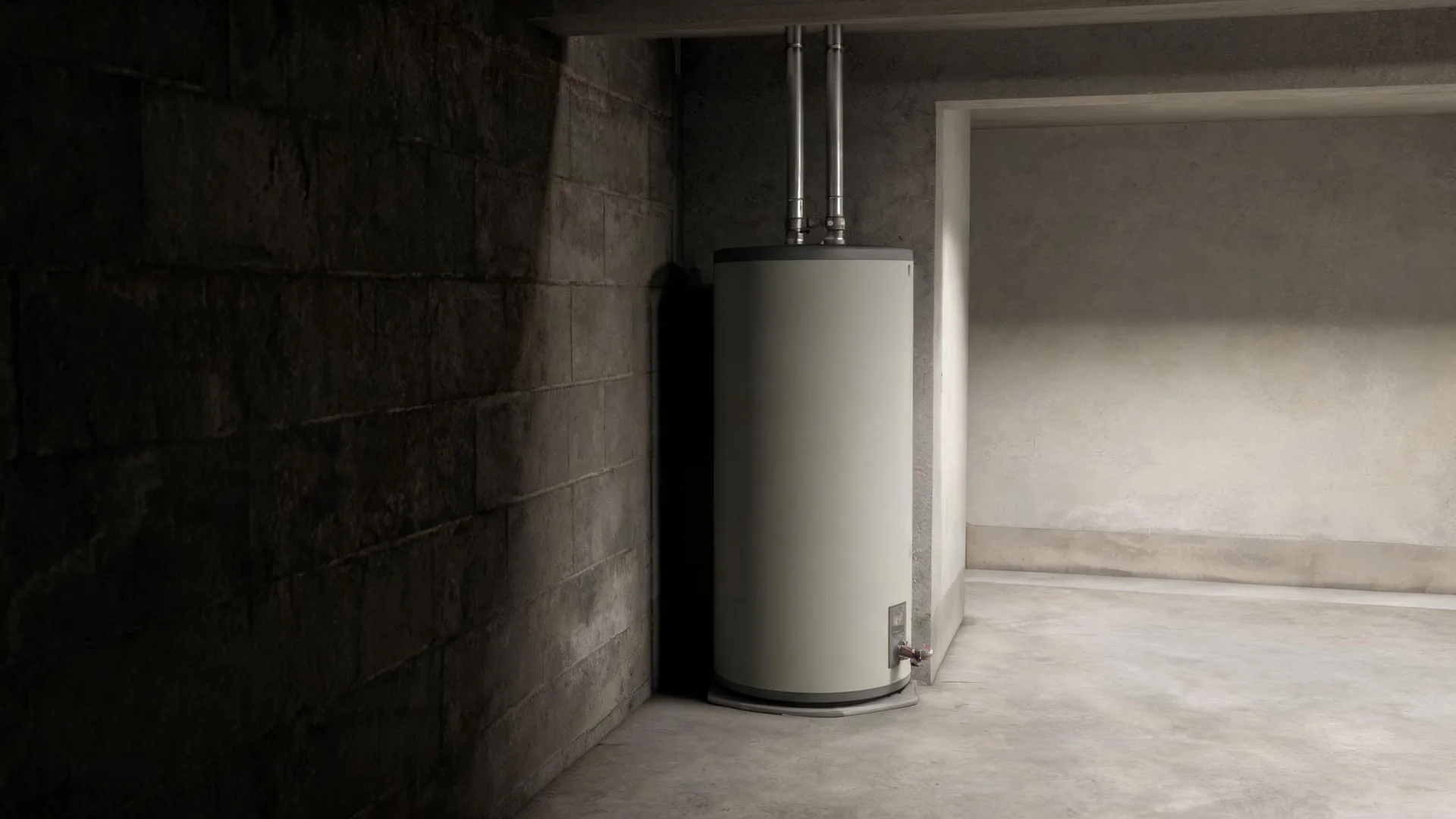
A contractor quoting a water heater installation in Newaygo County starts with what the house actually has and what the original work looked like, because those are the variables that drive the scope. 47 severe weather events were recorded in Newaygo County, Michigan between 2015 and 2024. At roughly that pace, severe weather is part of life here but lands as an event, not a persistent operating pressure. A water heater that is struggling has almost certainly been worn down by age and years of sediment buildup, and a contractor sizes the replacement to the household demand and the existing plumbing, not to storm history.
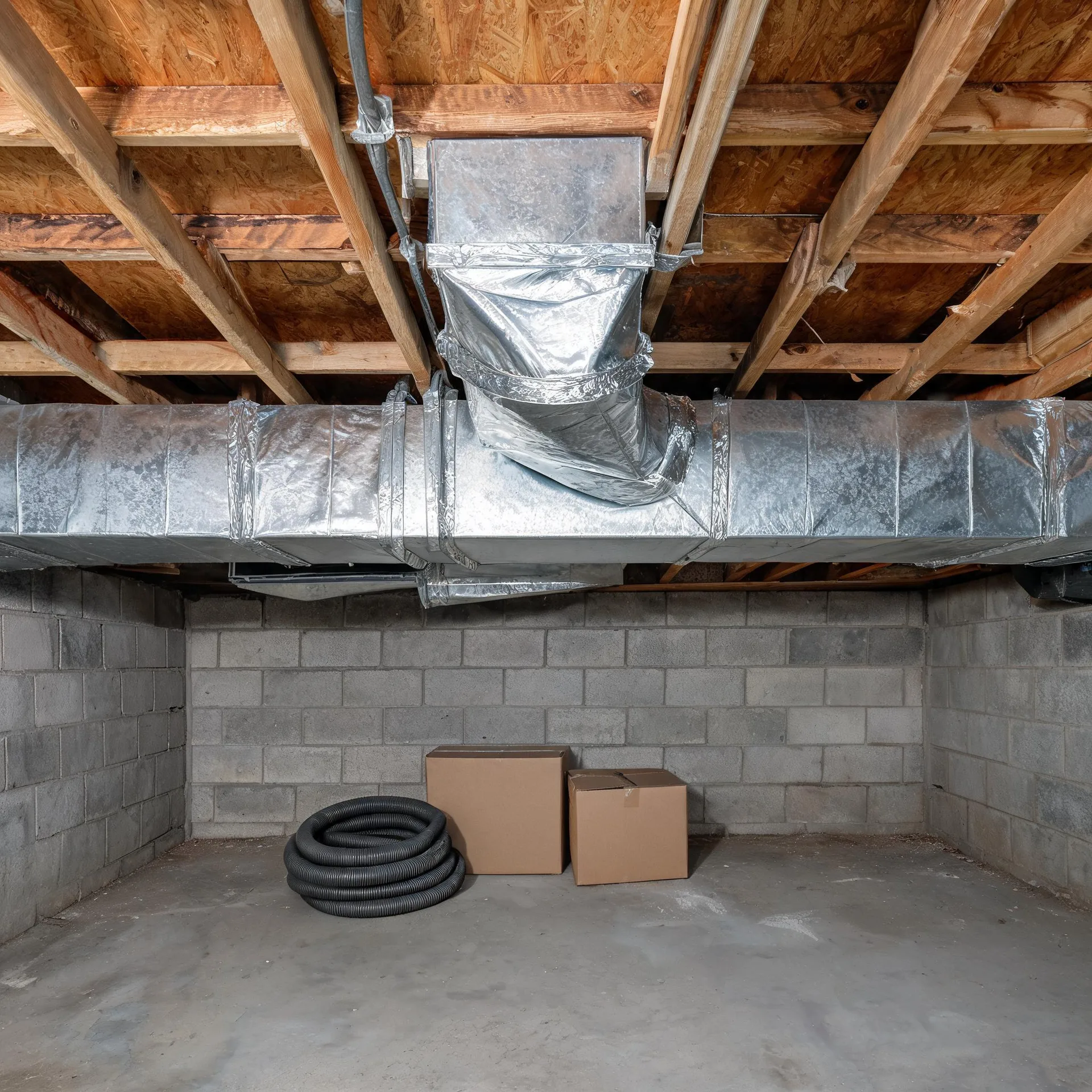
The panel is often the first thing a contractor checks, and in Newaygo County's older housing stock it is frequently where the job gets complicated. Half the homes in Newaygo County, Michigan were built in 1978 or earlier (2020-2024 ACS 5-year). A house built for the appliances of that era was wired accordingly, and a modern water heater draws more than that wiring was designed to carry. If the panel cannot support the load, the electrical work goes on the quote before the unit does.
What a Water Heater Installation Covers
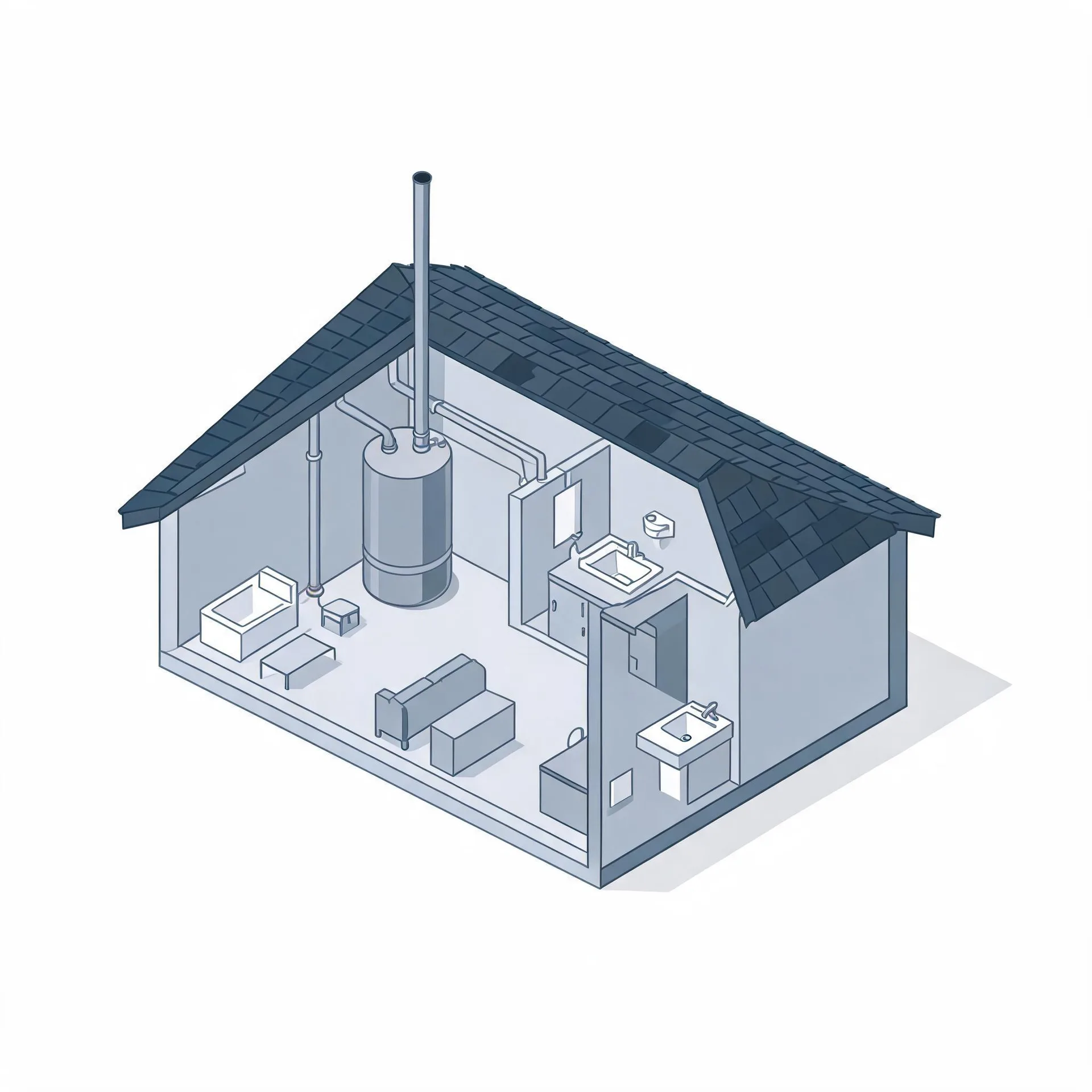
The tank or tankless unit is the piece a homeowner sees first, sitting in a utility room, basement, or closet. It holds or heats water on demand and connects to both the cold supply line coming in and the hot line running out to the rest of the house.
A pressure relief valve mounts directly on the unit and releases if pressure builds past a safe point. The flue or vent pipe runs from the top of the unit up and out of the house, carrying combustion gases away. A drain pan sits beneath the unit to catch any water before it reaches the floor.
The drawing shows a typical layout, and a licensed contractor determines what the installation requires in your specific home.
Find a contractor in Newaygo CountyNewaygo County, by the numbers
47 severe weather events were recorded in Newaygo County, Michigan between 2015 and 2024.
NOAA National Centers for Environmental Information, Storm Events Database, bulk CSV export, events 2015-01-01 through 2024-12-31.Half the homes in Newaygo County, Michigan were built in 1978 or earlier (2020-2024 ACS 5-year).
U.S. Census Bureau, 2020-2024 American Community Survey 5-Year EstimatesNewaygo County, Michigan holds 24,931 housing units (2020-2024 ACS 5-year).
U.S. Census Bureau, 2020-2024 American Community Survey 5-Year EstimatesOwners occupy 86.5% of the occupied homes in Newaygo County, Michigan (2020-2024 ACS 5-year).
U.S. Census Bureau, 2020-2024 American Community Survey 5-Year EstimatesSevere Weather Events in Newaygo County
Weather in Newaygo County puts real demand on water heaters, driving the kind of temperature swings and power disruptions that shorten equipment life and push systems past their rated capacity. How hard the local climate works your water heater is a local question, and the record below reflects what this area actually sees.
47 severe weather events, 2015–2024. Source: NOAA National Centers for Environmental Information, Storm Events Database.