Tell us about the job
Takes about a minute. No obligation.
A contractor sizing and installing a water heater in Ingham County is working in a place where severe weather is occasional, not constant. 44 severe weather events were recorded in Ingham County, Michigan between 2015 and 2024. At that rate, the climate is a background variable rather than the main stress on a water heater's components. What decides how long a tank lasts here, and what a contractor finds when they pull one out, is more likely sediment accumulation, a depleted anode rod, or an undersized unit than weather-driven wear. The install has to account for local water quality and household demand, and those factors shape the specification more than the storm record does.
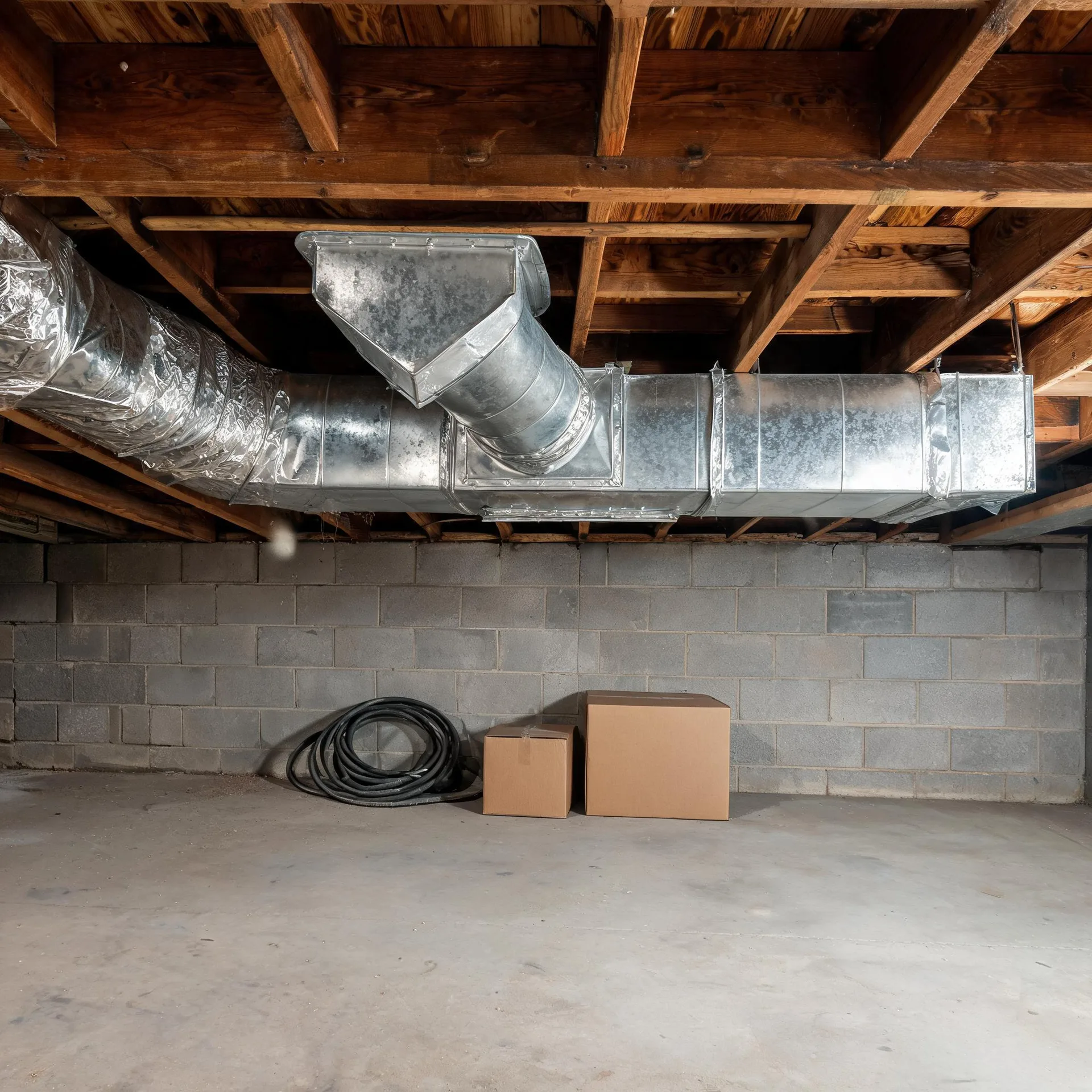
The electrical panel in houses this old was sized for what people ran in those decades, and a new water heater can draw more than that panel was ever asked to carry. Half the homes in Ingham County, Michigan were built in 1971 or earlier (2020-2024 ACS 5-year). A contractor quoting a water heater swap here has to read the existing service before pricing anything else, because an undersized panel turns a straightforward installation into an electrical job first. That is the variable a homeowner should expect to hear about early.
What a Water Heater Installation Covers
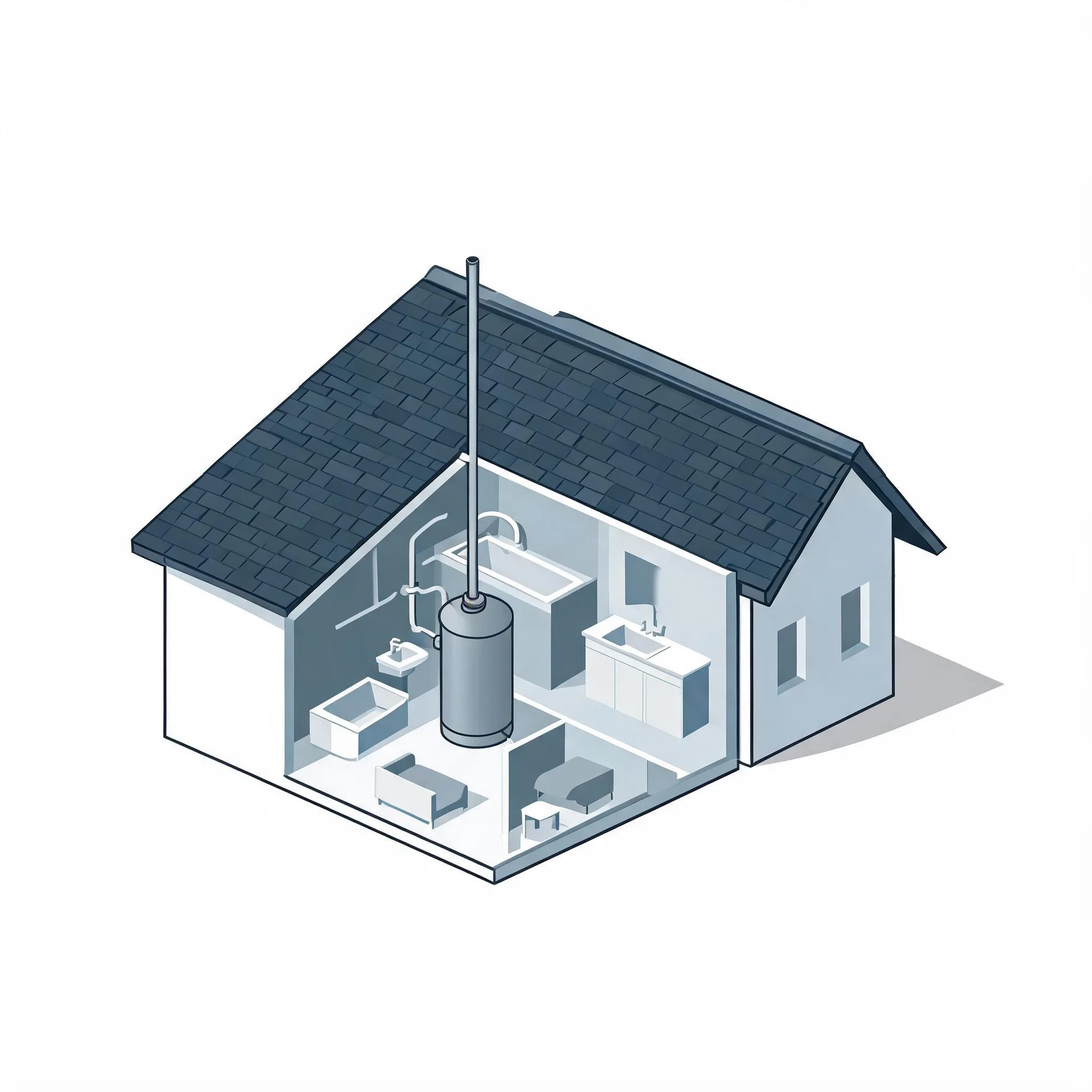
The tank or tankless unit is the centerpiece of the job. It sits in a utility room, basement, or closet and holds or heats the water your household draws on. A contractor sets it in place, connects it to the cold supply line, and routes the hot output line back into the house.
The pressure relief valve mounts directly on the unit and releases if pressure climbs too high. A discharge pipe runs from that valve down toward a floor drain. The flue or exhaust vent exits through the wall or roof, and the gas line or electrical supply ties into the unit at a dedicated connection point.
The drawing shows a general layout, and a licensed contractor determines what applies to your specific home.
Find a contractor in Ingham CountyIngham County, by the numbers
44 severe weather events were recorded in Ingham County, Michigan between 2015 and 2024.
NOAA National Centers for Environmental Information, Storm Events Database, bulk CSV export, events 2015-01-01 through 2024-12-31.Half the homes in Ingham County, Michigan were built in 1971 or earlier (2020-2024 ACS 5-year).
U.S. Census Bureau, 2020-2024 American Community Survey 5-Year EstimatesIngham County, Michigan holds 126,232 housing units (2020-2024 ACS 5-year).
U.S. Census Bureau, 2020-2024 American Community Survey 5-Year EstimatesOwners occupy 59.5% of the occupied homes in Ingham County, Michigan (2020-2024 ACS 5-year).
U.S. Census Bureau, 2020-2024 American Community Survey 5-Year EstimatesSevere Weather Events in Ingham County
Ingham County weather puts real demands on water heaters, which work harder when temperatures swing and power gets interrupted. How often that happens here shapes what a properly sized and installed unit needs to handle.
44 severe weather events, 2015–2024. Source: NOAA National Centers for Environmental Information, Storm Events Database.