Tell us about the job
Takes about a minute. No obligation.
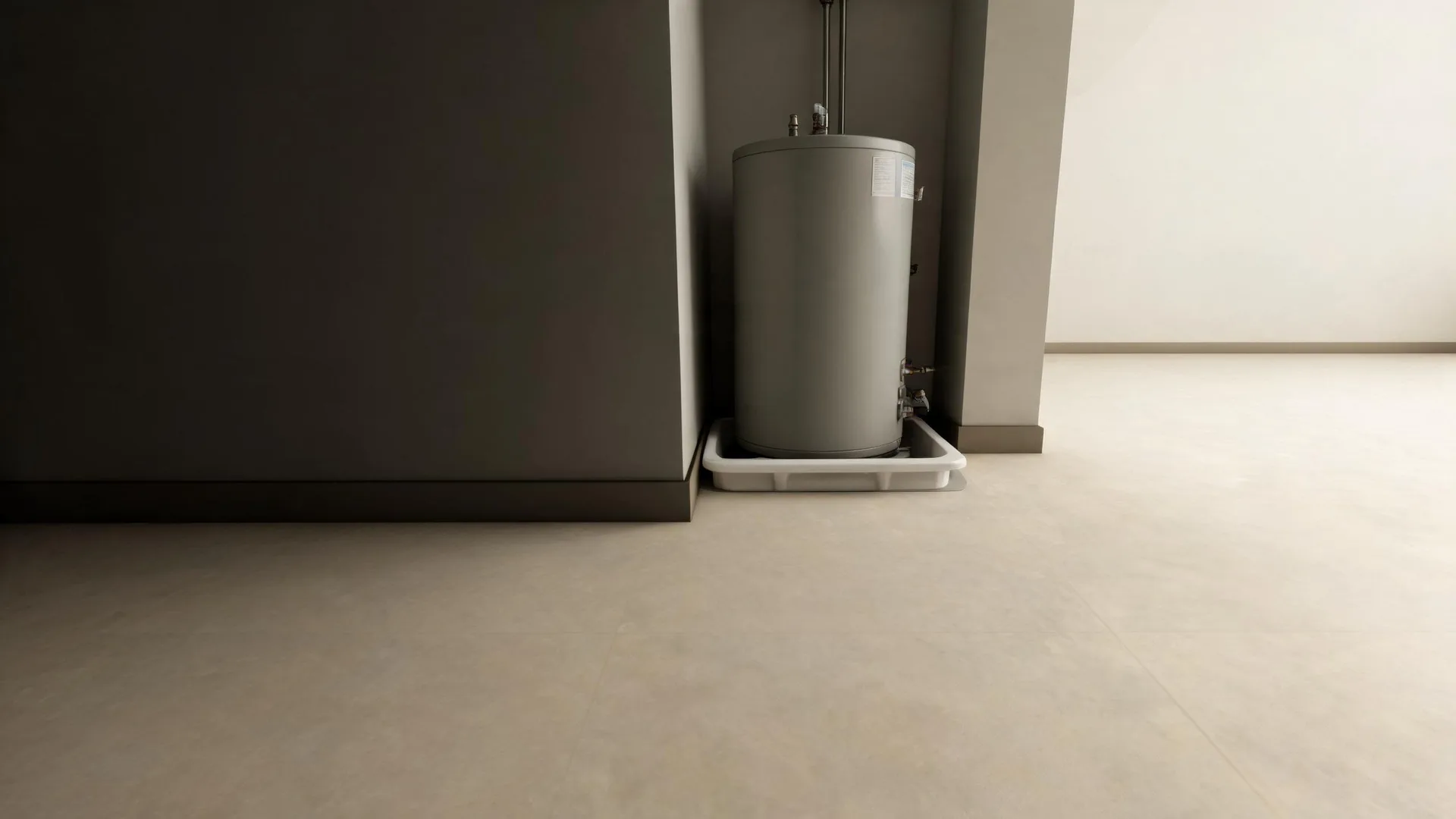
Sizing a water heater in Alger County starts from what the equipment will actually face here, not from a catalog default. 106 severe weather events were recorded in Alger County, Michigan between 2015 and 2024. At that rate, severe weather is a standing condition rather than an occasional interruption, and a contractor installing a new unit factors that into which equipment they specify and how they set it up. A unit that is undersized or installed without regard for that operating environment will work harder from day one.
The electrical service in a house is what a water heater installation turns on first. Half the homes in Alger County, Michigan were built in 1974 or earlier (2020-2024 ACS 5-year). Wiring laid down for the appliances of that era was sized for a different load than what a current unit draws, and what a contractor finds at the panel decides whether the job is a straight swap or whether the service has to be brought up before the new equipment can run safely. The ductwork question belongs to forced-air systems; here it is the panel, the circuit, and the wire gauge that get opened and checked.
What a Water Heater Installation Covers
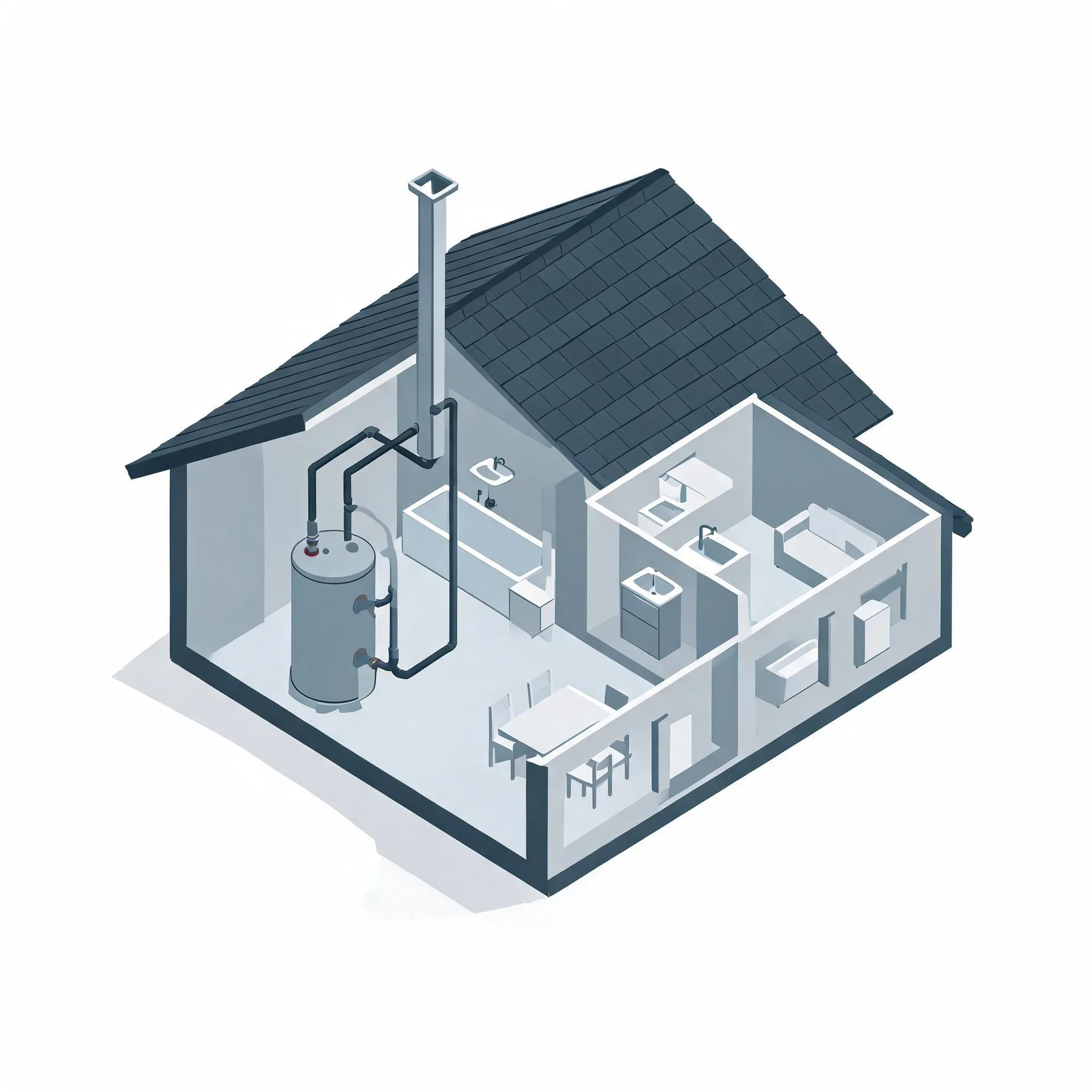
The tank or tankless unit is the heart of the system. A storage-tank model sits in a utility room, basement, or garage and holds a reservoir of heated water ready to draw from. A tankless unit mounts to a wall and heats water only as it passes through, taking up far less floor space.
Feeding the unit are a cold-water supply line and a hot-water outlet line that connect it to the rest of the house. A pressure-relief valve mounts directly on the unit as a safety device. Gas models add a dedicated gas line and a flue pipe that exits through the wall or roof to vent combustion gases outside.
The drawing shows a general layout of these components, and a licensed contractor determines exactly what applies to your house and its existing setup.
Find a contractor in Alger CountyAlger County by the Numbers
106 severe weather events were recorded in Alger County, Michigan between 2015 and 2024.
NOAA National Centers for Environmental Information, Storm Events Database, bulk CSV export, events 2015-01-01 through 2024-12-31.Half the homes in Alger County, Michigan were built in 1974 or earlier (2020-2024 ACS 5-year).
U.S. Census Bureau, 2020-2024 American Community Survey 5-Year EstimatesAlger County, Michigan holds 6,217 housing units (2020-2024 ACS 5-year).
U.S. Census Bureau, 2020-2024 American Community Survey 5-Year EstimatesOwners occupy 86.3% of the occupied homes in Alger County, Michigan (2020-2024 ACS 5-year).
U.S. Census Bureau, 2020-2024 American Community Survey 5-Year EstimatesSevere Weather Events in Alger County
Alger County weather puts real demands on water heating equipment. Stress from temperature swings and power disruptions shortens equipment life and raises the stakes on getting an installation sized and done right.
106 severe weather events, 2015–2024. Source: NOAA National Centers for Environmental Information, Storm Events Database.